


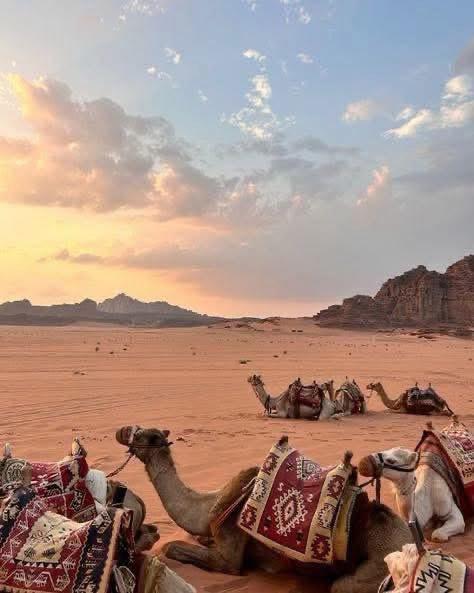


Planning a trip to Jordan? In this Jordan Travel FAQs guide, we answer the most common questions about visas, safety, transportation, currency, and travel tips. This page will help you prepare for a smooth and enjoyable visit to Jordan.


General
The best time to travel to Jordan is during spring (March to May) and autumn (September to November). During these seasons, you will enjoy mild and comfortable weather, which makes sightseeing easier and more enjoyable.
For example, spring and autumn provide ideal conditions for exploring Petra, Wadi Rum, the Dead Sea, and Amman. Moreover, the pleasant temperatures allow you to walk, hike, and join outdoor tours without discomfort.
However, you can visit Jordan at any time of the year. Although summer temperatures rise significantly, especially in desert areas, you may find fewer crowds at major attractions. Therefore, the best travel period ultimately depends on your preferred climate, budget, and overall travel plans.
Yes, Jordan is one of the safest countries to visit in the Middle East. The country has a low crime rate, and authorities carefully monitor and professionally manage tourist areas. Because tourism plays a major role in Jordan’s economy, hotels, airports, and popular attractions prioritize safety and security.
Major destinations such as Petra, Wadi Rum, the Dead Sea, and Amman maintain a strong security presence and organized visitor services. In addition, Jordanians are widely known for their hospitality and welcoming attitude toward international visitors.
As with any destination, travelers should follow general safety precautions, such as safeguarding personal belongings and staying informed about local guidelines. However, overall, Jordan offers a secure and comfortable environment for tourists, families, solo travelers, and business visitors alike.
Yes, Jordan is a family-friendly destination and a popular choice for vacations in the Middle East. The country offers family-friendly hotels, safe tourist areas, and attractions suitable for children of all ages.
For example, families can explore Petra, relax at the Dead Sea, or experience the desert in Wadi Rum. In addition, Jordan provides a perfect mix of adventure, culture, and relaxation for the whole family.
Jordan issues a single-entry visa to most travelers upon arrival at the airport or at shared crossing points with Israel. However, this applies only if your nationality does not require a pre-arranged visa and you plan to stay in Jordan for at least 48 hours.
Therefore, we recommend checking the official visa requirements before traveling. You can review the updated visa list at the following link:
http://international.visitjordan.com/page/4/VisasToJordan.aspx
It does snow in the highlands, but it rarely snows for more than a couple of days a year, and most of the time, the snow is already gone within a day or two.
Jordan has different climatic zones that vary depending on latitude and altitude. Therefore, it is not easy to give one simple answer.
The Dead Sea (410 meters below sea level) and Aqaba, located on the Red Sea, remain warm throughout the year and can become very hot during July and August. However, humidity levels are generally low, so the heat is usually bearable.
In contrast, the western highlands, which stretch along most of the country, are cooler in summer and can become quite cold in winter. Occasionally, snowfall occurs in northern peaks, Amman, and around Petra. Nevertheless, the snow rarely settles for more than a day or two.
In addition, summer nights in the highlands are usually cool and pleasant.
Winter in Jordan can be cold, especially at night. In the highlands, temperatures occasionally drop below freezing.
However, daytime temperatures are often mild and sometimes reach the mid- to high 20s°C, even during winter.
In October, Jordan enjoys very pleasant weather, which makes it one of the best months to visit the country. Daytime temperatures are generally warm and comfortable, while evenings tend to be mild and cool.
For example, in central areas like Amman, average daytime temperatures range between 16°C and 25°C.
In southern desert regions such as Petra and Wadi Rum, temperatures usually range from 13°C to 26°C, making outdoor activities and tours very enjoyable.
Meanwhile, coastal areas like Aqaba are warmer, with daytime temperatures often between 21°C and 32°C.
Jordan’s standard time is GMT+2 (Eastern European Time). However, during daylight saving time, which usually runs from April to October, Jordan operates on GMT+3.
It is always recommended to check the current local time before travel, as daylight saving adjustments may vary.
Queen Alia International Airport is located approximately 32 kilometers from Amman’s city center. Most major hotels are situated in West Amman.
Under normal traffic conditions, the drive from the airport to your hotel takes around 35 to 45 minutes. However, travel time may vary depending on traffic and the exact hotel location.
The Dead Sea resorts are located approximately 50 to 60 kilometers from Queen Alia International Airport.
Under normal traffic conditions, the drive takes around 45 to 60 minutes, depending on traffic and the exact resort location. In addition, the modern and well-maintained road offers a smooth and scenic journey down to the lowest point on Earth.
There are no mandatory vaccinations for most travelers visiting Jordan. However, health authorities recommend keeping routine vaccinations such as measles, mumps, rubella (MMR), tetanus, and influenza up to date.
In addition, some travelers may consider vaccines for hepatitis A and hepatitis B, depending on the length and nature of their stay. Therefore, you should consult your doctor or a travel health clinic before your trip to receive personalized medical advice.
In Jordan, the main emergency number is 911. This number connects you to police, ambulance services, and civil defense.
For airport-related assistance at Queen Alia International Airport, you can contact the airport help desk directly. However, for urgent situations anywhere in the country, dialing 911 is the fastest way to receive immediate support.
Yes, we strongly recommend arranging travel insurance before visiting Jordan. Travel insurance covers medical emergencies, trip cancellations, lost luggage, and other unexpected situations.
Although Jordan is a safe and well-developed tourist destination, having valid coverage gives you complete peace of mind throughout your trip. In addition, you should carefully review your policy to ensure it includes medical expenses, emergency evacuation, and any adventure activities listed in your itinerary. Therefore, securing proper insurance before departure will help you travel with confidence and avoid unnecessary stress.
In most hotels in Jordan, standard check-in time is around 2:00 PM, while check-out is usually at 12:00 PM (noon).
However, times may vary slightly depending on the hotel. Early check-in or late check-out can often be arranged upon request, subject to availability and possible additional charges. It is always recommended to confirm directly with your hotel prior to arrival.
Jordan offers a wide variety of accommodation options to suit different budgets and travel styles. Visitors can choose from luxury 5-star hotels, boutique hotels, mid-range properties, and budget-friendly accommodations.
In addition, the country features unique stays such as Dead Sea resorts, desert camps in Wadi Rum, eco-lodges, and heritage guesthouses. Whether you are planning a luxury vacation, a family trip, or an adventure tour, Jordan provides accommodation options that combine comfort, hospitality, and authentic local experiences.
In Jordan, the official weekend is Friday and Saturday. The workweek typically runs from Sunday to Thursday.
Many businesses, government offices, and banks are closed on Friday, while some may operate limited hours on Saturday. Tourist sites, hotels, and major attractions, however, usually remain open throughout the week.
No, women do not have to wear a hijab in Jordan. The law does not require visitors or residents to cover their hair. In fact, Jordan is a moderate country, especially in major cities such as Amman and Aqaba.
However, we recommend wearing modest clothing. For example, when you visit religious sites, rural areas, or traditional communities, conservative dress shows respect for local culture. In addition, some mosques require women to cover their hair and wear loose clothing before entering.
Overall, you are free to choose your clothing during your visit. Nevertheless, dressing modestly helps you enjoy a more comfortable and respectful travel experience.
Travelers
No, women do not need to follow a specific dress code in Jordan. The country is relatively liberal and respects personal freedom in clothing choices. In fact, visitors can dress comfortably without facing legal restrictions.
For example, some local women choose to wear the hijab, while others prefer a Western style similar to what you might see in European cities. Ultimately, clothing depends on personal preference and comfort. However, dressing modestly in certain areas can help you blend in and show respect for local traditions.
Yes, non-Muslims can visit many mosques in Jordan. However, because mosques serve as places of worship, visitors must dress conservatively and cover their elbows and knees. In addition, you need to remove your shoes and leave them at the entrance before entering.
Furthermore, women usually need to wear a scarf to cover their hair during the visit. Therefore, we recommend bringing a light scarf with you to ensure a respectful and comfortable experience.
Yes, alcohol is available in Jordan. You can purchase it at most 4- and 5-star hotels, tourist restaurants, and licensed bars. In addition, licensed liquor stores operate in major cities such as Amman and Aqaba, although you will find fewer options in smaller towns.
Moreover, Jordan produces award-winning local wines and several local beer brands. However, you must respect local customs and laws at all times. For example, drinking alcohol in public streets is illegal. Furthermore, most camps in Wadi Rum do not serve alcohol, although some allow guests to bring their own drinks.
Yes, according to the World Health Organization’s drinking water guidelines.
Although the water is clean and safe, it might taste a bit peculiar; therefore, we advise that you drink bottled mineral water or filtered water.
Jordanians are naturally friendly and highly hospitable. In fact, many visitors are pleasantly surprised by the warmth and generosity they experience during their stay.
Whether you are visiting major cities or smaller towns, locals often welcome tourists with kindness and genuine hospitality.
Other
Of course, you don’t have to be married to share a room with your girlfriend or boyfriend.
Most hotels do not allow pets, and you will find it difficult to join tours and sightseeing activities with them. Therefore, if you must travel with your pet, you can book accommodation at Amman’s Pet Lodge (www.petlodgejo.com
). This way, you can check on your pet at any time while enjoying your trip.
Yes, it is! Christmas in Jordan is celebrated throughout the country. Even those who are not religious often see it as a joyful cultural celebration. In addition, Jordan is home to both Muslims and Christians, who live peacefully together and respect each other’s traditions.
Yes, English is taught in all local schools and is widely spoken, especially in cities and tourist towns. In fact, English is the second language after Arabic, so visitors can easily communicate in most areas.
Many things make Jordan special! For example, you can visit Petra, Wadi Rum, the Baptism Site of Jesus, and the Roman city of Jerash. In addition, visitors admire the Royal Family and the genuine friendliness of the Jordanian people.
Jordan is a diverse country that offers everything the Middle East is known for, including stunning deserts, authentic hospitality, traditional bazaars, ancient ruins, the lowest point on earth at the Dead Sea, and the Red Sea coastline.
Ultimately, your must-see list depends on your interests. Whether you enjoy historical ruins, nature-based adventures, unique activities, or complete relaxation, Jordan is the perfect destination.
Jordan stands out in the Middle East because homosexuality is not criminalized. However, we recommend avoiding public displays of affection, as local traditions may not accept them.
In Amman, you will find several restaurants and cafés that openly support LGBTQ communities, particularly on Rainbow Street. Additionally, for greater comfort and privacy, we recommend choosing a 5-star hotel instead of a budget option.
Most tourist sites open from 08:00 to 17:00 during summer and from 08:00 to 16:00 during winter. However, sites may close earlier during Ramadan. On the other hand, Petra remains open all year from 06:00 to 18:00.
The official currency of Jordan is the Jordanian dinar (JD). One JD equals approximately 1.4 US dollars. Although some shops accept US dollars, almost all businesses accept credit cards.
You can exchange currency at banks and licensed exchange shops throughout Jordan. However, avoid exchanging money at the airport because rates are usually higher. Instead, withdraw cash from a local ATM, as this is often the most convenient and cost-effective option.
If you visit Jordan in winter, bring warm clothing and rainwear, especially for Amman, Petra, Wadi Rum, and the northern regions. Meanwhile, pack light clothes for the Dead Sea and Aqaba. During spring and summer, light cotton clothing works best, although you may still need a sweater for cooler evenings.
Jordanian food is exceptional and offers both rich vegetarian options and specialty meat dishes to suit every taste. Moreover, Jordanian cuisine reflects strong Mediterranean and traditional Arabian influences, which makes it diverse and flavorful.
Most hotels serve breakfast and dinner as generous buffet spreads with a wide variety of choices. However, if you have any allergies or food intolerances, please inform us in advance so we can notify your hotel and ensure they avoid serving those items.
Jordanian food is exceptional and offers both rich vegetarian options and specialty meat dishes to suit every taste. Moreover, Jordanian cuisine reflects strong Mediterranean and traditional Arabian influences, which makes it diverse and flavorful.
Most hotels serve breakfast and dinner as generous buffet spreads with a wide variety of choices. However, if you have any allergies or food intolerances, please inform us in advance so we can notify your hotel and ensure they avoid serving those items.
The ideal length of your trip depends on the sites you wish to visit and the activities that interest you most. However, most visitors spend between seven and ten days in Jordan, which allows enough time to explore the country comfortably. There is truly a great deal to see and experience.
From our side, we carefully plan your itinerary to avoid unnecessary long drives. As a result, you can make the most of your time while discovering authentic sites and enjoying memorable activities.
Visa and MasterCard are widely accepted at hotels, restaurants, and larger shops across Jordan. However, American Express is not as commonly accepted. Additionally, ATMs are available in most cities and tourist areas.
On the other hand, smaller shops often prefer cash payments in Jordanian dinars. Therefore, carrying some cash is essential, especially when shopping at local markets and souks.
According to The Economist, Amman ranks among the cities with the highest living costs worldwide. In fact, Jordan is one of the more expensive countries in the region when compared to local income levels.
On average, travelers spend around 67 USD per day per person. Meals typically cost about 16 USD per day, while hotel accommodation averages 58 USD per person. Alcohol is particularly expensive.
Nevertheless, Jordan offers unique experiences and a boutique-style atmosphere, which makes it well worth the cost.
Yes, you can absolutely visit Jordan during Ramadan. In fact, it is usually the quietest time of the year, as fewer travelers visit during this month. Most restaurants and tourist attractions remain open. However, some sites may close earlier than usual.
Petra, on the other hand, remains open all year from 6:00 am to 6:00 pm. Although liquor stores close during Ramadan, many hotel bars and selected restaurants may still serve alcohol, depending on their policies.
Yes, indeed! Jordan is one of the best destinations for hiking and trekking adventures. However, some areas are better suited for winter hiking, while others are ideal during summer.
For example, the Siq Trail in Wadi Mujib operates from April until October. During the rainy winter months, authorities close it because flash flooding can occur.
Participants must be at least 18 years old to hike in Wadi Mujib..
The voltage in Jordan is 230V / 50Hz, which is the same as in most European countries. However, there is no single standard socket type, as some places use European plugs while others use British three-pin sockets.
Therefore, we recommend bringing a universal travel adapter to ensure you can charge your devices without any issues.
Booking a trip on our website is simple and straightforward. First, browse our available tours and choose the itinerary that suits your interests. Then, click on the “Book Now” button and complete the booking form with your travel details.
After that, our team will review your request and contact you to confirm availability and finalize the details. Once you approve the itinerary, we will send you a secure payment link to complete your reservation.
Finally, after we receive your payment, we will send you a confirmation email with all the necessary information for your trip. If you need assistance at any stage, please contact us directly, and we will be happy to help.
In most cases, your mobile phone will work in Jordan. However, coverage depends on the roaming agreement with your home network provider. Therefore, we recommend checking your international roaming plan before traveling.
Alternatively, purchasing a local SIM card upon arrival can significantly reduce your communication costs.
Yes, you can easily combine Jordan with another destination. In fact, Israel and Egypt are the most popular options due to their close proximity and shared historical significance. As a result, many travelers choose to visit two or even all three countries in one trip.
Jordan and Israel share three border-crossing points: Allenby Bridge, Sheikh Hussein Bridge, and the Arava Border Crossing. In addition, regular flights operate between Amman and Tel Aviv, and the flight duration is very short.
For more detailed information, please contact us directly.
Wi-Fi is available in most hotels, cafés, and restaurants throughout Jordan. However, you should not expect reliable internet access in Wadi Rum. Therefore, if staying connected is important to you, we recommend purchasing a local SIM card upon arrival.
Yes, tipping is common in Jordan. Although it is not compulsory, people highly appreciate it. For example, we recommend adding around 10% to your restaurant bill as a tip. In addition, you may tip your guide and driver if you feel they provided excellent service.


